What guides the comparisons here
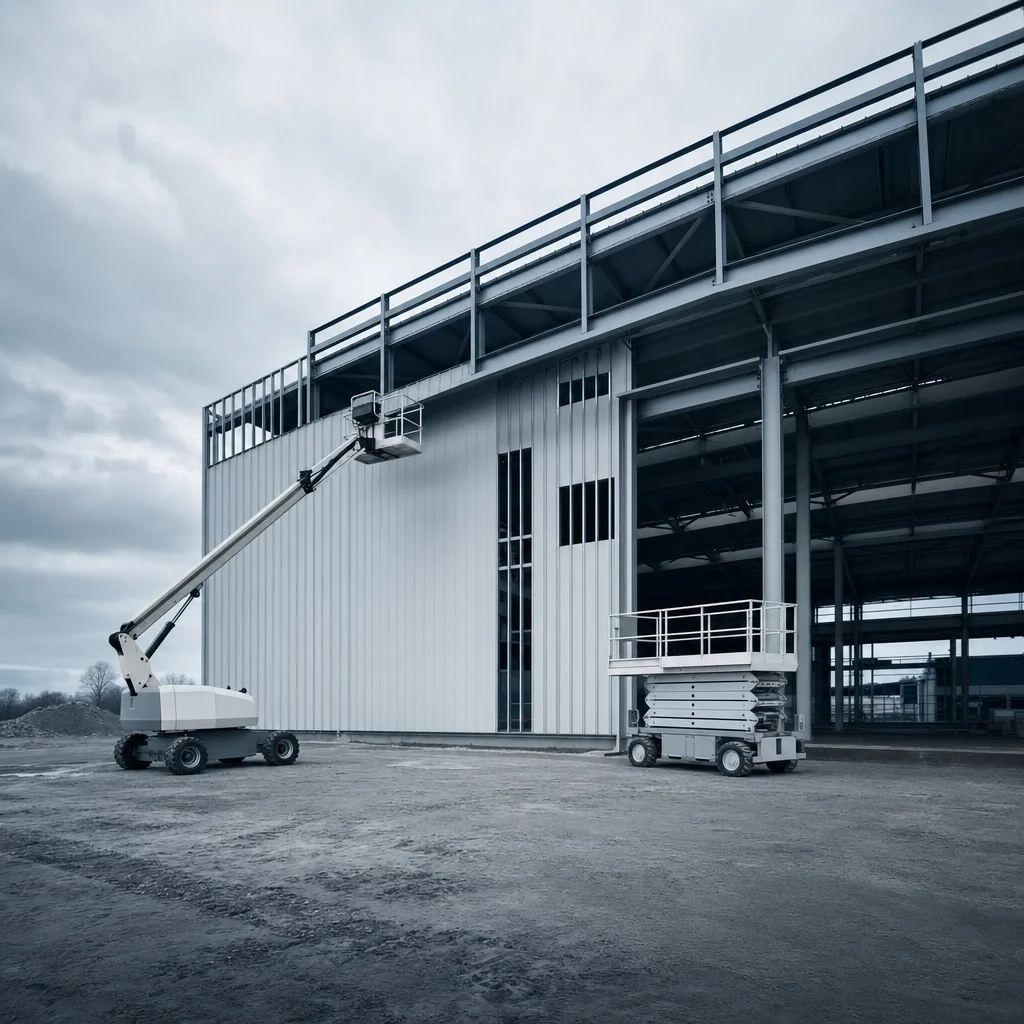
The starting point is job geometry. Can the machine sit below the task, or does it need to reach out and over? Indoor racking and aircraft maintenance favor straight vertical access with tight turning. Exterior work on flat but potentially muddy ground pushes toward rough-terrain stability and ground clearance. The site outlines those forks in the road so Oklahoma City teams can narrow options quickly.
How local wind and heat influence platform selection
Frequent wind advisories across the plains affect maximum rated heights for outdoor scissor and boom platforms. The comparisons reference “Wind-Resistant Workflow” planning: knowing when exterior heights must be reduced, and when switching to heavier, wider-base units is part of staying within published limits. Summer heat also drives the choice between electric units suited to climate-controlled interiors and machines with cooling-friendly duty cycles for extended outdoor shifts.
Flat ground, clay soils, and seasonal mud
Many industrial sites and new builds sit on flat pads where clay-rich soils can turn slick after rain. That matters for tire type, ground clearance, and allowable slope. The guide flags when to look at rough-terrain scissor lifts versus boom lifts that can position on firmer approaches. It also contrasts compact electric scissors for finished slabs with machines designed for unfinished, soft surfaces.
Where to dive deeper
- Indoor aisles and finished floors: see /electric-scissor-lift-rental/
- Unpaved approaches and exterior work zones: see /rough-terrain-scissor-lift-rental/
- Over-obstruction reach needs: start with /aerial-lift-rental/ and compare /articulating-boom-lift-rental/ vs. /telescopic-boom-lift-rental/
- Material placement at height on developing sites: /telehandler-rental/
Editorial approach
Each page emphasizes measurements that affect fit: platform size, wheelbase, turning radius, vertical reach, outreach, ground pressure, and weight class. The notes highlight how Oklahoma City’s logistics-driven interiors differ from open-air industrial yards, so readers can zero in on the platform family that matches their site conditions. Actual conditions, manufacturer instructions, and site procedures govern elevated and exterior work.