When an articulating boom is the better fit
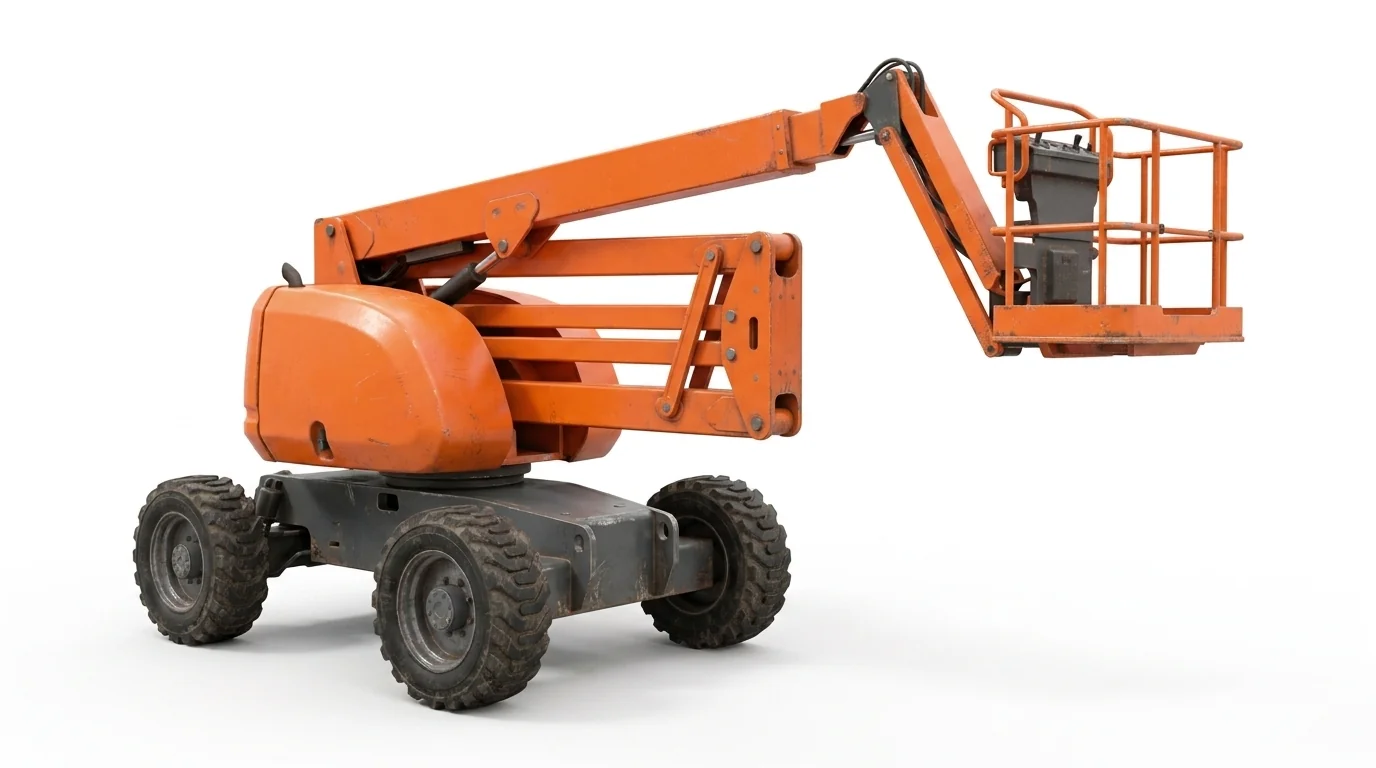
Articulating booms matter when the machine cannot sit directly under the task. Typical examples in Oklahoma City include maintenance inside tall industrial sites, around hangar doors and tail sections, or above piping and mezzanines in logistics buildings. Multiple joints allow the platform to go up, across, and back down to the target.
Key planning points before sizing: - Horizontal offset: measure the setback from the lift’s possible parking spot to the work point. - Clearance arcs: note any sprinkler mains, beams, or edge protection the boom must swing past. - Platform posture: confirm whether the work happens directly in front of the guardrail or requires side reach.
Local wind and surface considerations
Outdoor use in Oklahoma City often runs into frequent wind advisories. Each articulating model lists maximum permissible wind exposure and rated platform height under those conditions. The safe working envelope can shrink when winds rise. Actual conditions, the unit’s instructions, and site procedures govern. Indoors, wind limits are typically not the constraint; tire type, turning radius, and emissions become the issue.
Clay-rich soils around unfinished pads can soften after rain. If the boom must cross unpaved approaches or stand on uneven ground, rough-terrain configurations with wider stance and suitable tires are usually the comparison point. On cured slabs or inside distribution buildings, compact electric articulating units protect floors and fit narrower aisles.
Narrowing the height class
Think in two numbers: required platform height and required horizontal reach to clear the obstacle and land at the task. If the machine parks close but must bend around a ledge, mid-height booms with strong up-and-over capability are common. If the parking spot stays well back from the face of the work, larger booms with greater horizontal reach may be necessary.
Typical Oklahoma City job patterns
- Aviation maintenance: tight clearances under wing and tail structures, with wind exposure near hangar openings.
- Logistics interiors: up-and-over access above conveyors and racking with floor-friendly tires.
- Exterior facility work: façade detailing where gusts and slab edges limit extension height choices.
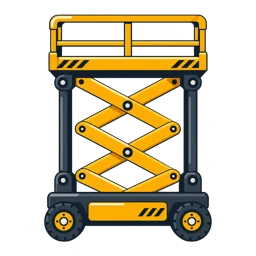
For straight-out exterior reach with fewer obstacles, compare options at /telescopic-boom-lift-rental/. For slab-focused vertical work without outreach, see /electric-scissor-lift-rental/.
Coordination details to gather before calling
- Measured offset and required platform height.
- Minimum doorway width and turning aisle if working indoors.
- Surface description from staging area to work zone.
- Typical wind exposure during the planned work window.