Site approach and setup
Begin with where the machine will sit relative to the work. If excavation, rebar, or drainage cutouts block a straight‑under position, deck length and platform capacity gain importance. Verify access ramps, curb drops, and any temporary mats on clay soils that can pump under load.
Wind on open plains
High wind potential across open jobsites affects outdoor platform use. The selected unit’s wind rating, the day’s conditions, and site procedures govern maximum height and extension. Larger decks are efficient for production work, but only within the machine’s operating limits under prevailing weather.
Matching features to Oklahoma City ground
- Wider wheelbase and aggressive tires improve stability on unfinished subgrade.
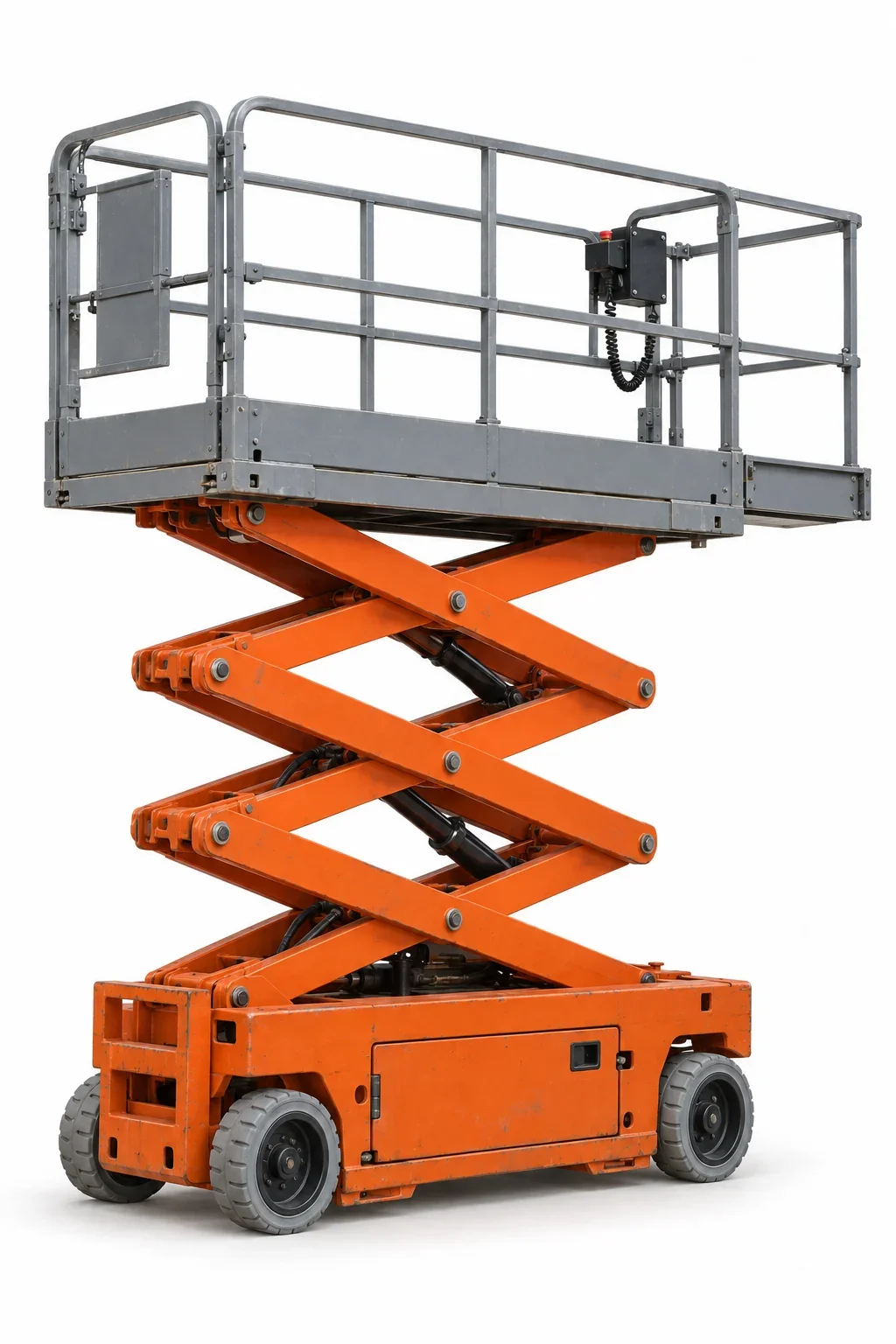
- Leveling systems and outriggers on certain models change where setup is feasible.
- Foam‑filled tires resist debris common on developing sites.
When a different lift makes more sense
If the task is offset by canopies, piping, or structural steel, a boom’s horizontal outreach can reduce repositioning. Compare options at /aerial-lift-rental/ or go directly to /boom-lift-rental/.
Pre‑selection checks
- Ground bearing expectations in work zones and along travel paths
- Platform height vs. task elevation with allowance for tools
- Site access from street to pad, including gates and turning radii
- Forecast and advisories during the elevation window