Define the reach path
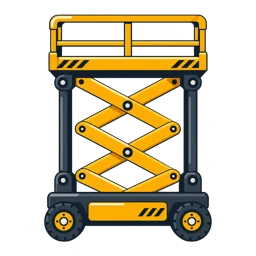
- Vertical work directly overhead: scissor lift with the right platform height.
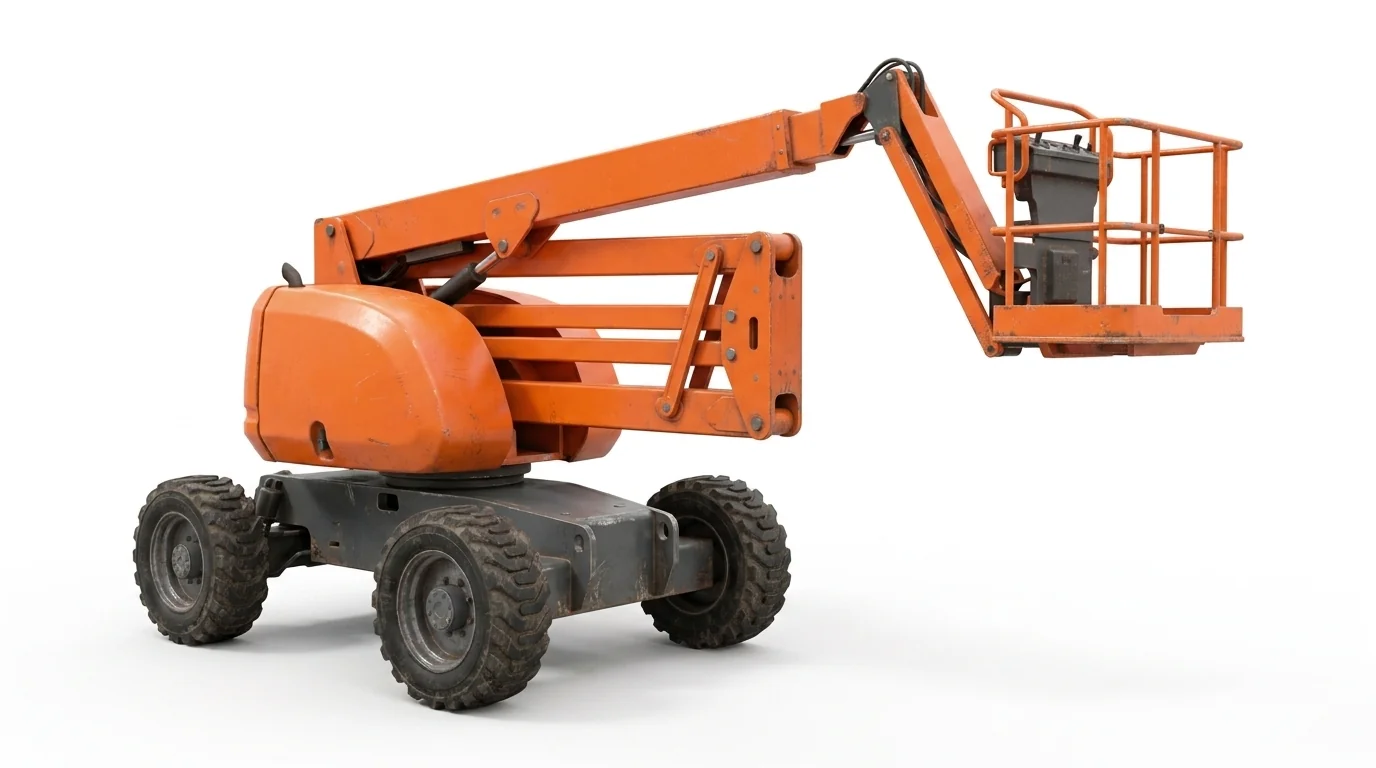
- Up‑and‑over around equipment or canopies: articulating boom.
- Long straight reach to distant points: telescopic boom.
Mapping the path avoids oversizing height when what’s needed is outreach, or vice versa.
Local factors that change the pick
Open‑air jobsites and aprons around the city can see gusty periods. Outdoor elevation must follow the specific machine’s wind rating and site procedures. On clay‑based ground, rough‑terrain features help scissors and booms stage safely. For cavernous interiors, electric slab scissors and compact articulating booms protect floors and maneuver within aisles.
Quick comparisons
- Scissor lifts: larger work platforms, efficient for ceiling runs and straight‑on work. See /electric-scissor-lift-rental/ and /rough-terrain-scissor-lift-rental/.
- Articulating booms: multiple joints to reach over obstacles. See /boom-lift-rental/ and consider /articulating-boom-lift-rental/ if you need category depth.
- Telescopic booms: straight mast for maximum horizontal distance; explore /telescopic-boom-lift-rental/ if long outreach dominates.
Checks before committing
- Clearance from access point to work area (doors, ramps, turning)
- Ground or slab capacity along the travel route
- Work height with tool clearance vs. model capacity
- Weather windows for outdoor tasks and indoor ventilation needs for engine‑driven units
When to pair equipment
Elevated work often goes faster when staging materials separately. Fork trucks or telehandlers can pre‑position pallets or duct sections before personnel elevate. See /forklift-rental/ or /telehandler-rental/.