Where straight booms excel
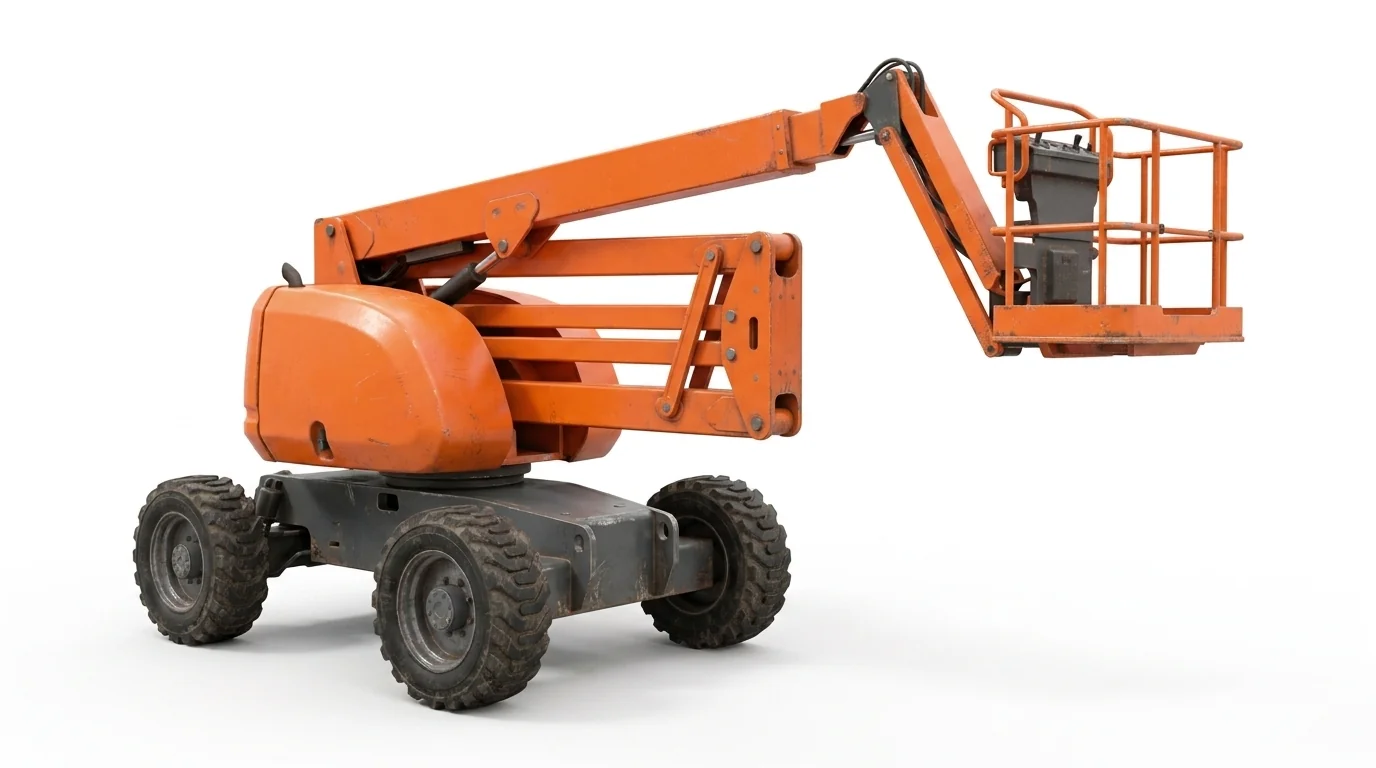
If the task is visible from a clear staging area—exterior panels, lighting poles, or facility signage—a telescopic boom provides direct, controlled approach. Fewer articulation points mean predictable platform motion, helpful for precision work at long distances.
Wind exposure and working envelope
The regional climate brings frequent gusts that influence allowed platform height for outdoor-rated machines. Telescopic booms publish wind ratings that define how high and far they can work in those conditions. Actual conditions, the model’s instructions, and site procedures govern. Plan setback distance so the boom can stay within its rated envelope even if wind builds.
Ground and approach
Clay-heavy soils around Oklahoma City sites can become slick or rutted after rain. Long booms often require firmer pads and wider swing clearance. Rough-terrain packages help approach the work, but the final parking spot should be stable, level within the model limits, and free of obstructions that could interfere with tail swing.
Sizing the lift
Think through these constraints: - Horizontal reach from parking spot to work point. - Required platform height with a margin for comfortable tooling. - Available setback area for tail swing and jib articulation if equipped. - Transport path clearances, especially through temporary fence lines or site gates.
Local patterns
- Exterior work on large industrial sites with long setbacks from protected slabs.
- Lighting and camera positions at distribution facilities needing direct reach.
- Maintenance near wide hangar aprons where wind exposure varies through the day.
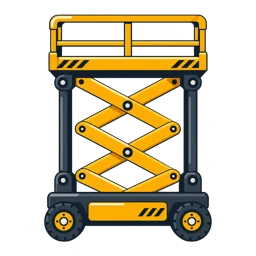
For up-and-over around obstacles, compare /articulating-boom-lift-rental/. For vertical, slab-only access in interior bays, review /electric-scissor-lift-rental/.